Living with a spinal cord condition isn’t easy; it slowly starts affecting your daily life in ways you didn’t expect. It rewires everything without fanfare. Your body just doesn’t cooperate like before – movements get tricky, aches hit out of nowhere, and even grabbing a coffee feels like a workout.
Discovering the benefits of Medical Cannabis for Spinal Cord Disease can be a game changer in managing symptoms.
What gets to people most, though, isn’t that initial shock of hearing the news. No. It’s the grind afterward. You cycle through pills, tweak your schedule for sessions with therapists, and cross your fingers each time for a real breakthrough. Kind of draining, right?
But when nothing quite clicks, you dig deeper. Cannabis for Spinal Cord Disease pops up then. Not some magic fix. More like a tool you ought to check out, see if it fits your setup.
Many patients explore Spinal Cord Disease as part of their treatment options.
What Makes Spinal Cord Conditions So Difficult
Problems with the spinal cord mess up the signals from your brain to the rest of you. That kind of interference hits hard on everyday work. You lose some feeling in places, or control slips away, and comfort?
Understanding how Medical Cannabis for Spinal Cord Disease interacts with your condition is crucial.
Nerve pain is one of the worst pains. It is not your regular ache. Think burning sensations that creep up, or pins and needles that buzz without warning, maybe even jolts like a live wire zapping through. These hit randomly, and they do not play nice with usual painkillers either. From what is noticed, people end up chasing relief that just does not stick.
Then there are the muscles tightening up, or twitching in spasms that lock you in place. Simple things like reaching for a cup turn into a battle. Sleep? It gets chopped up because your body stays on edge, never settling down. All that wears you out physically, sure, but the emotional side piles on too – frustration builds, and you feel worn thin.
The real kicker is how it forces changes everywhere. You tweak your routine nonstop just to cope.
Medical Cannabis for Spinal Cord Disease won’t fix a damaged spinal cord. No way around that.
It just isn’t built for curing the root problem. But here’s the thing – it can ease those nagging symptoms that turn everyday stuff into a real hassle. The kind of pain or stiffness that you feel keeps you up at night or makes simple tasks feel impossible.
The role of medical marijuana for spinal cord disorders in symptom management is worth discussing with your healthcare provider.
What we have seen in practice, the compounds in cannabis, like THC and CBD, team up with your body’s own setup for handling pain, emotions, and rest. They don’t zero in on one issue. Instead, they kind of nudge the whole system to handle discomfort less overwhelmingly.
Patients say it doesn’t come across as some lab trick. More like everything just shifts a bit, and suddenly things aren’t as brutal. Pretty much eases the load without promising miracles.
What Patients Often Experience
People dealing with spinal cord problems who turn to medical cannabis rarely talk about overnight miracles.
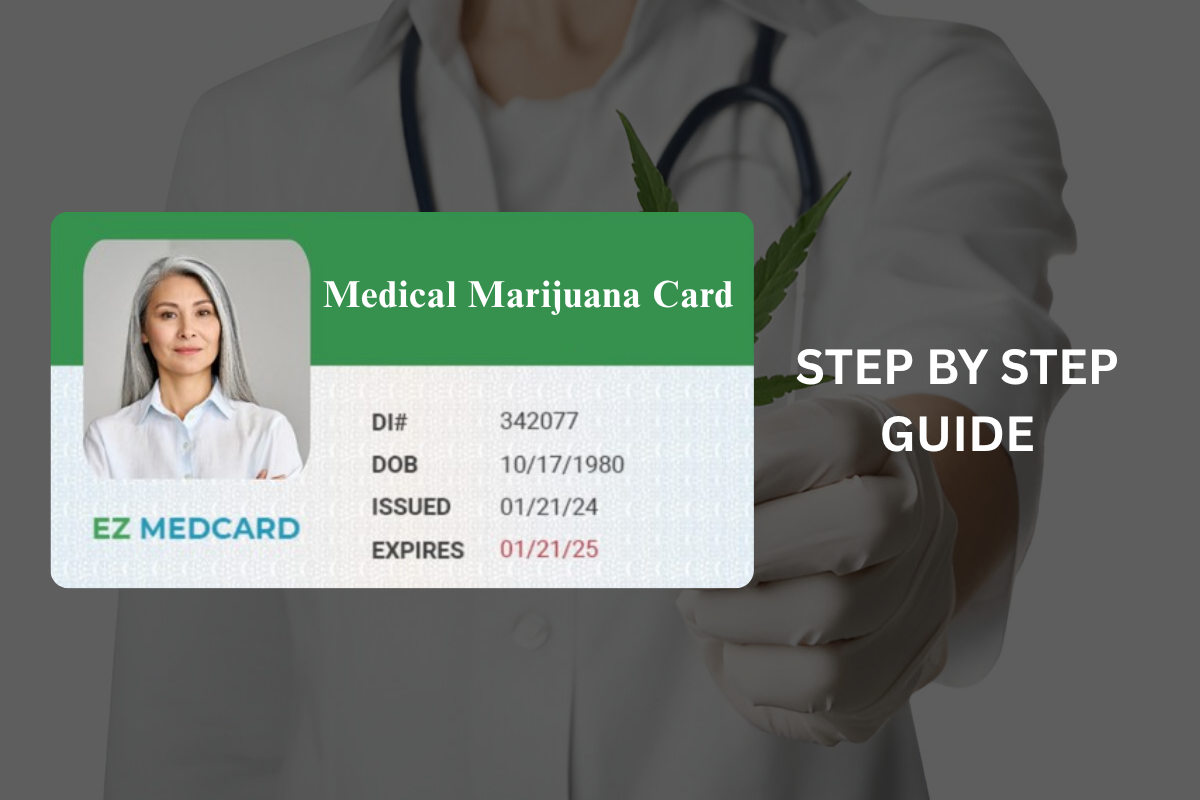
Patients often share their experiences with cannabis treatment for spinal cord injury and its effects on their quality of life. For some, getting a medical marijuana card is part of the process that allows them to explore this option legally and safely.
The real changes show up in quiet ways. Pain hangs around, sure, but it dials down a notch – not gone, just not screaming in your face every second.
What stands out is how sleep changes things. You stop jolting awake from aches so often. The body settles in deeper, finally catching some solid rest. That’s huge when exhaustion has been your constant shadow.
Muscles loosen up, too, a bit at a time. They don’t go fully slack or anything, but moving feels less like fighting a vice grip all day.
And the headspace? Chronic hurt grinds on your mood, no question. But some people say they feel steadier, worries don’t pile up as fast, and tackling the day gets a touch easier.
These tweaks aren’t flashy. You’d think there’d be nothing after years of battling. Turns out, they add up in ways that matter.
But It’s Not a Universal Solution
Cannabis therapy for neurological conditions hits different for each person. You might get solid relief right away, or maybe just a tiny shift. Could be nothing noticeable.
Considering it requires an understanding of personal health variables.
What shapes that? Your own body chemistry, whatever health issue you’re dealing with, the strain you pick, and how much you take. All that plays in.
Often, you need to experiment a bit before it clicks. Or tweak what you hoped for. Thing is, it might not suit you at all.
It doesn’t mean the whole idea falls flat. Just that results vary wildly from one to the next.
Consultation about it can guide appropriate choices.
Things You Should Be Careful About
Medical cannabis does a lot of good for some people. But risks are also there that come.
It’s essential to evaluate the potential of cannabis treatment for injury against its risks.
Dry mouth can sneak up on you fast. Or that woozy spin in your head. Sleepiness, too, if you’re not careful.
Bumping up the THC really throws things off. Your attention scatters all over the place. Feels downright uncomfortable sometimes, more than you’d guess in everyday use.
The real catch? We don’t have all the long-term studies yet on how it plays out over the years. So treating it like a casual tryout isn’t smart. Thing is, getting advice from someone who knows their stuff makes all the difference.
Dosage counts a ton, same with picking the right way to take it, and balancing THC against CBD. That combo pretty much decides if your body takes to it well or not. Finding the right dosage is key to effective management.
Making the Decision
Thinking about medical marijuana for spinal cord disorders? Forget the hype on whether it’s flat-out good or bad. The key thing is, does it fit your situation right now? When thinking about it, consider its role in your overall treatment plan.
People who were stuck with meds that barely touched their pain. Or nights where sleep just wouldn’t come, no matter what. If that’s you – and it sounds like it might be – chatting with a doctor who knows this stuff could open some doors, including guidance from services like Ezmedcar medical marijuana. Not that it’ll fix everything overnight. But it could ease a few rough spots in your routine, you know?
The thing is, real relief often sneaks up in little ways. Not some magic fix. Just that makes getting through the day a bit less of a grind; that’s where the difference shows up.
Final Thought
Medical cannabis? It’s one tool in that mix, nothing more; it clicks for certain people and eases things a bit. But for plenty of others, it barely moves the needle. The key here is picking your path smartly, drawing from solid info, advice from pros, and just how it plays out for you personally.
The integration of Medical Cannabis for Spinal Cord Disease into therapy can enhance treatment outcomes.
The thing isn’t some fad chase. It’s all about nailing down what actually lets you get through the day stronger. Ultimately, this approach is about enhancing your daily life and coping strategies.
FAQ
Will medical cannabis cure spinal cord disease?
No, this won't fix the underlying issue. Mostly, it helps keep things like aches, tight muscles, and rough nights in check.
Is it safe to try medical cannabis for spinal cord pain?
Most people do fine with it if a doctor's advice. Don’t try with your own without consulting a doctor.
How quickly does it start working?
It depends on the form. Oils and edibles may take 30 to 90 minutes, while inhaled forms work faster.
Can I stop my regular medications if I start cannabis?
No. You should not stop prescribed medications without consulting your doctor. Cannabis is usually used alongside existing treatments.
How do I get medical cannabis legally?
You typically need a doctor’s approval and registration through a trusted platform like EzMedCard, depending on your location.